How Ayurveda's classical texts guide us through the monsoon — agni, dinacharya, ratricharya, diet, and yoga for the season when the body is at its most vulnerable.
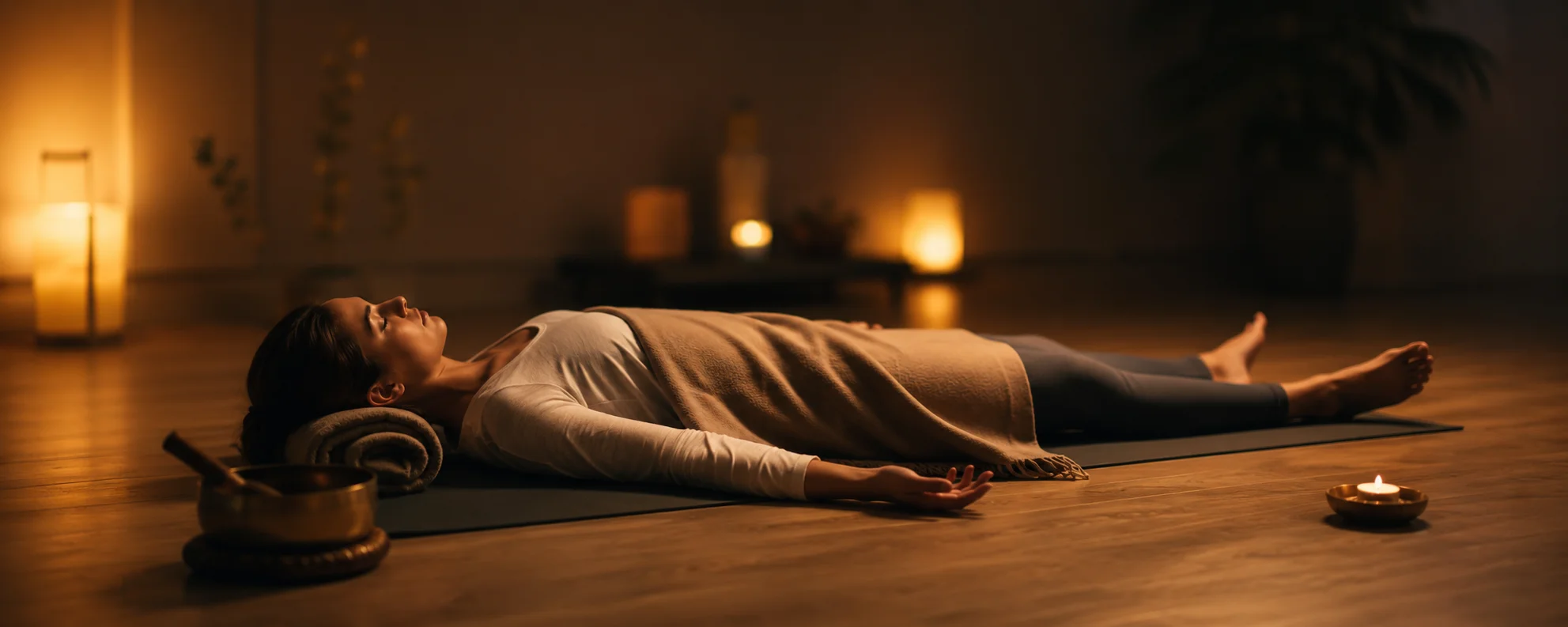
Yoga Nidra, the ancient practice of "yogic sleep," guides the body into deep rest while the mind stays quietly aware — a powerful tool for stress relief, better sleep, and nervous system healing.

What EEG studies on yogic sleep suggest about Yoga Nidra's effect on deep rest, and how it compares to classical descriptions.
How the non-dual teachings of Advaita Vedanta echo findings on the neural sense of self and the default mode network.

Revisiting the classical model of digestive and metabolic fire, and why Ayurveda treats Agni as the root of most disease.

Reframing polycystic ovary syndrome through Ayurvedic constitution and lifestyle medicine, alongside current clinical practice.

How yogic breath and movement practices may influence vagal tone, and what the polyvagal research does and doesn't support.

Current research on the enteric nervous system and microbiome, considered alongside Ayurveda's long-standing gut-mind link.
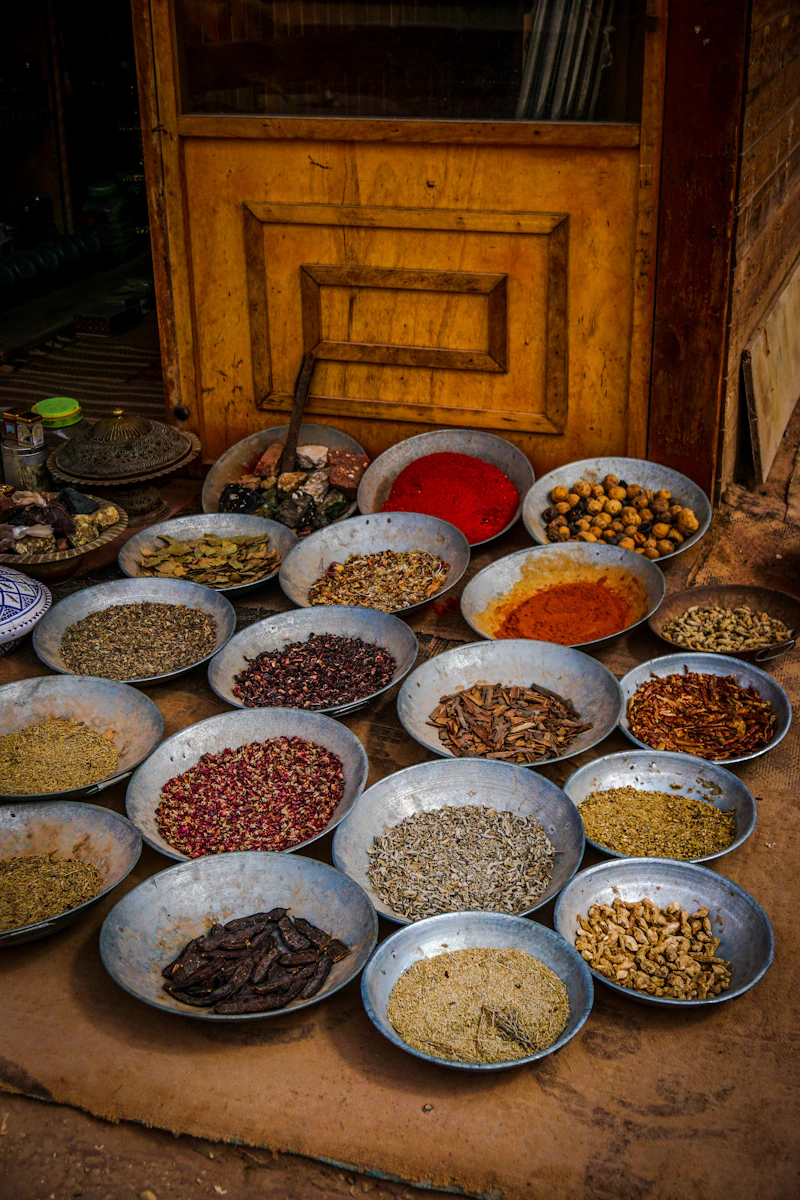
Classical seasonal-routine guidance on diet and lifestyle, considered alongside what we know about seasonal metabolic shifts.

A classical review of Prakriti — the individual constitution Ayurveda uses to personalise diet, lifestyle and treatment.

Why trauma researchers increasingly look beyond talk therapy to body-based approaches, and where yogic practice fits in.

A classical look at the spontaneous repetition of breath-linked mantra as a bridge between pranayama and dhyana.

An exploratory essay connecting contemplative accounts of samadhi with speculative parallels drawn from quantum physics and cosmology.

Why classical daily-routine prescriptions — waking time, oil massage, meals — line up with modern circadian science.

Waking, dreaming, deep sleep and Turiya, read alongside EEG research on sleep architecture and pure awareness.

What vagal-tone and vibro-acoustic research suggests about why chanting and mantra repetition calm the nervous system.

Unpacking the classical concept of Ojas as a marker of resilience, and where it overlaps with modern immunity and vitality research.

A clinician's walkthrough of the five classical purification procedures — what each involves and who they're suited for.

Reviewing the physiological evidence behind slow, regulated breathing practices and their effect on the autonomic nervous system.

A narrative essay drawing loose parallels between the Samkhya account of creation and ideas from modern quantum theory.

What a Sattvic approach to eating actually prescribes, and why it's framed as food for a calm, clear mind.

A classical overview of the chakra system as a map of consciousness, drawn from Tantric and Yogic sources.

A narrative look at how Vata-pacifying routines map onto what neuroscience tells us about calming an overstimulated brain.

A research-oriented review of the HPA axis and allostatic load, read against the classical Ayurvedic model of stress.

An in-depth classical review of the three doshas — their qualities, functions and role in Ayurvedic diagnosis.