The Library
Latest from the Journal
Showing recent reviews, editorials and clinical perspectives
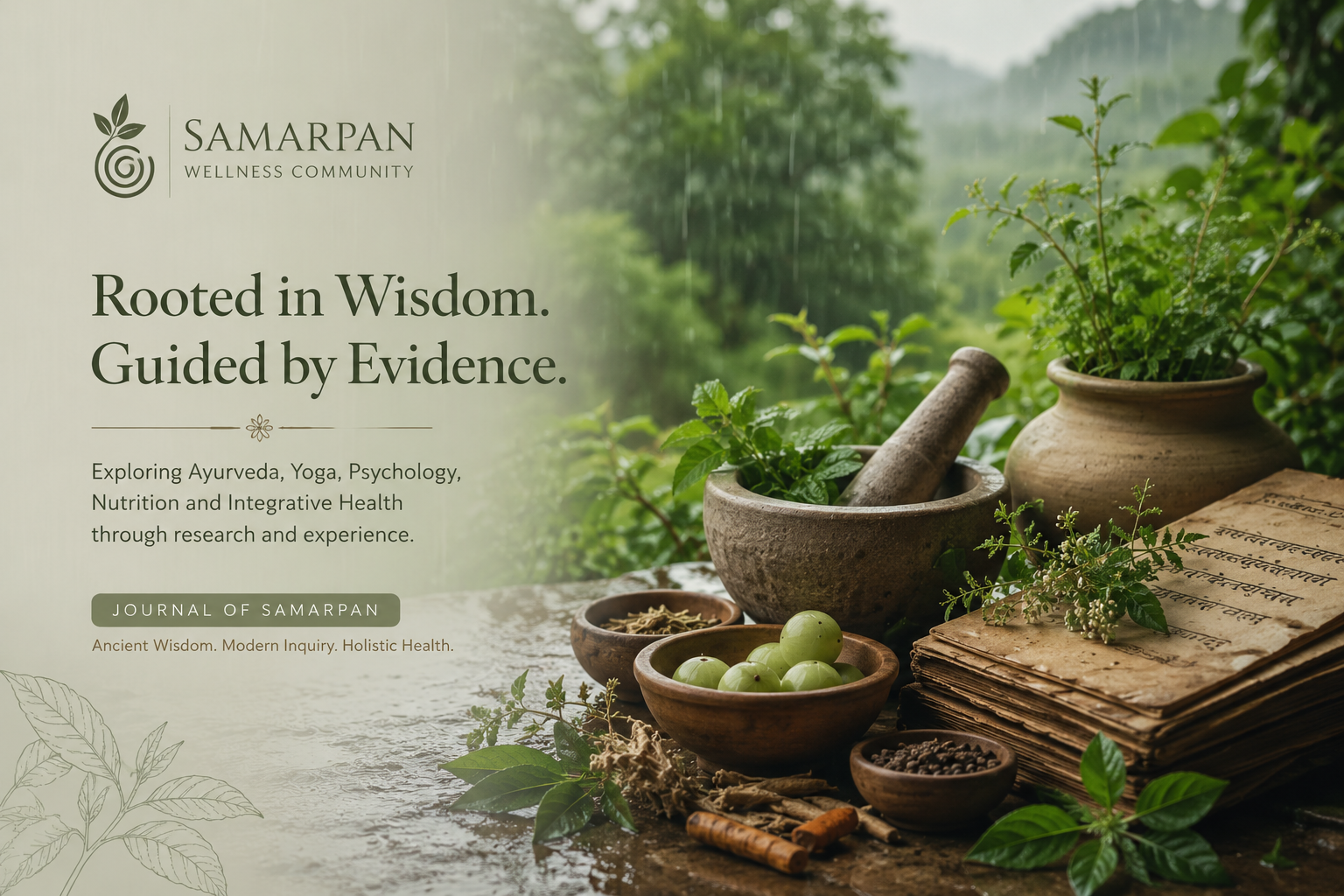
Varsha Ritucharya: A Guide to Monsoon Health in Ayurveda
How Ayurveda's classical texts guide us through the monsoon — agni, dinacharya, ratricharya, diet, and yoga for the season when the body is at its most vulnerable.

Yoga Nidra: The Art of Conscious Rest for Deep Healing
Yoga Nidra, the ancient practice of "yogic sleep," guides the body into deep rest while the mind stays quietly aware — a powerful tool for stress relief, better sleep, and nervous system healing.

Yoga Nidra: The Science of Sleep and Healing
What EEG studies on yogic sleep suggest about Yoga Nidra's effect on deep rest, and how it compares to classical descriptions.

Advaita and the Self: What Vedanta and Neuroscience Both Notice
How the non-dual teachings of Advaita Vedanta echo findings on the neural sense of self and the default mode network.

Agni: The Sacred Fire at the Centre of Ayurvedic Health
Revisiting the classical model of digestive and metabolic fire, and why Ayurveda treats Agni as the root of most disease.

PCOS and Hormonal Health: An Ayurvedic Approach for Women
Reframing polycystic ovary syndrome through Ayurvedic constitution and lifestyle medicine, alongside current clinical practice.

Rewiring Anxiety: The Vagus Nerve and Yoga
How yogic breath and movement practices may influence vagal tone, and what the polyvagal research does and doesn't support.

The Gut-Brain Axis: Our 'Second Brain' and Mental Health
Current research on the enteric nervous system and microbiome, considered alongside Ayurveda's long-standing gut-mind link.
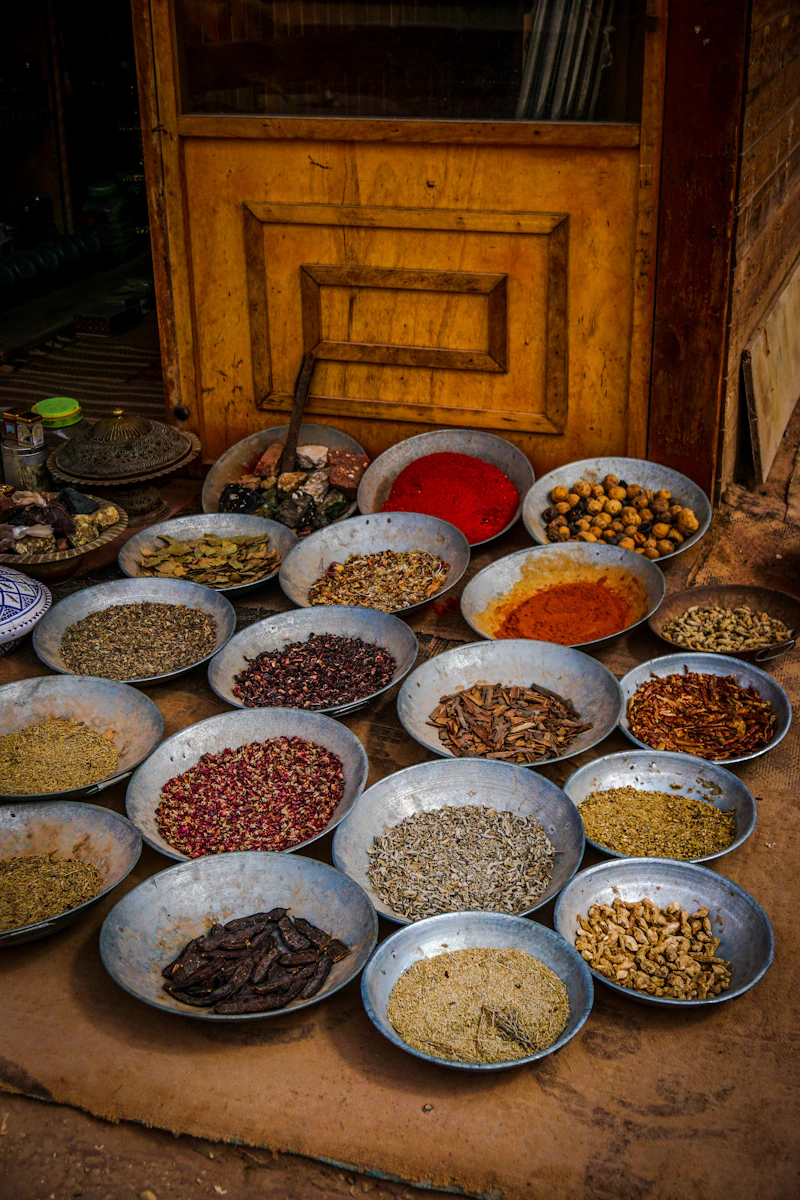
Ritucharya: The Ayurvedic Case for Seasonal Eating
Classical seasonal-routine guidance on diet and lifestyle, considered alongside what we know about seasonal metabolic shifts.