New Journal Post
A new article has been published.
Add Samarpan to Home Screen
Quick access, offline support
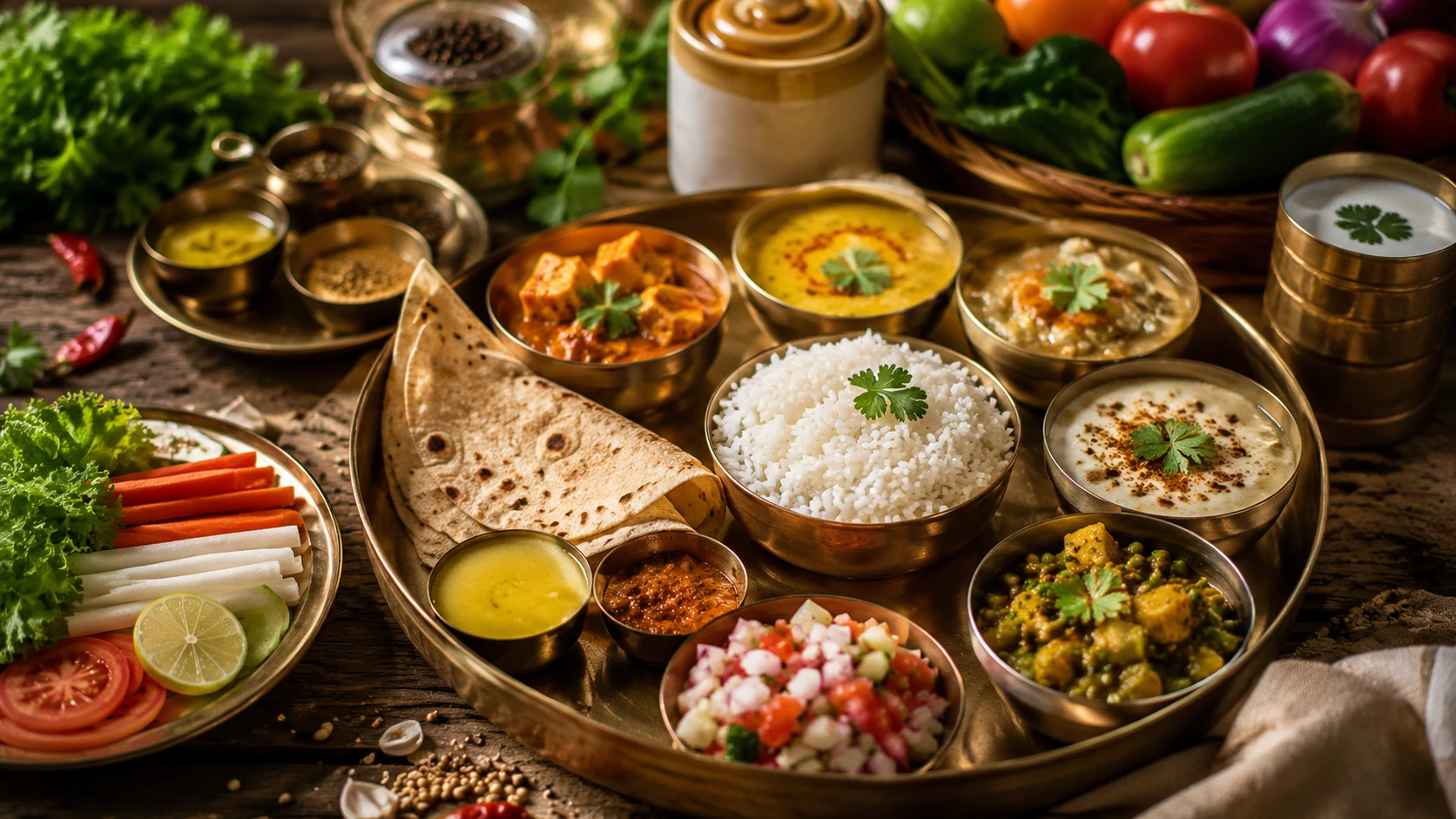
Nourishing the Body. Supporting the Mind. Sustaining Health.
Food is more than fuel. At Samarpan, nutrition combines traditional dietary wisdom with modern nutritional science to build sustainable, personalised eating habits.
Seasonality · Ayurveda · Science · Sustainability
Instead of asking "How much should I eat?" — ask "How does food shape my life?"
Every meal contributes to how your body functions and repairs.

The gut and mind are in constant conversation with each other.

Steady, sustained energy comes from what — and when — you eat.

Evening meals and their timing quietly shape how well you rest.

A well-fed digestive fire is the foundation of a resilient immune system.
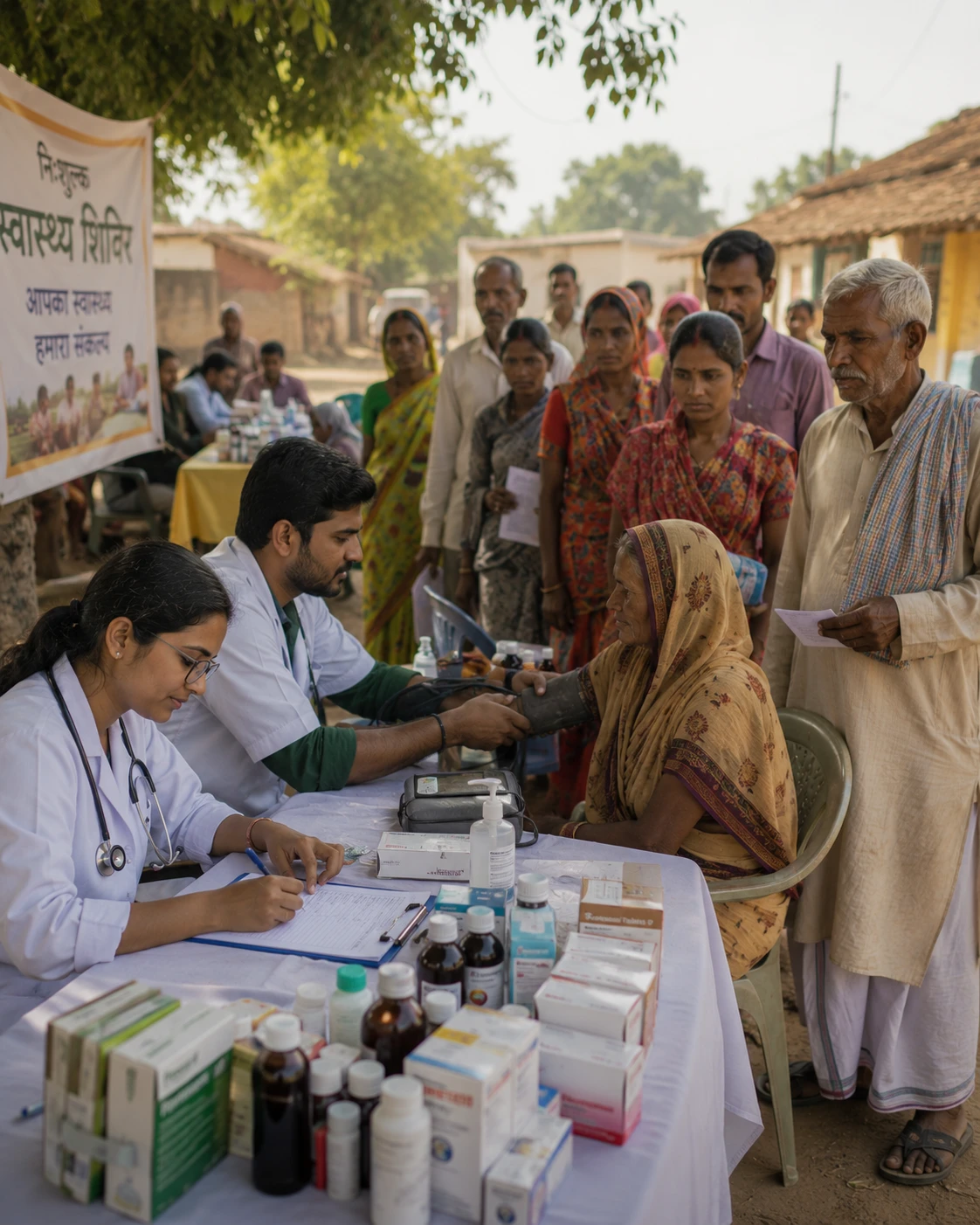
Meals shared with others nourish belonging as much as the body.
We believe good nutrition is not about restriction. It is about understanding what your body needs, respecting seasonal rhythms, and building lifelong eating habits.
Every individual has unique nutritional needs shaped by Prakriti, lifestyle and goals.
Aligning food choices with changing seasons, the way nature intended.
Modern nutrition research integrated with traditional dietary knowledge.
Healthy eating that is practical, enjoyable and built to last a lifetime.
Two vocabularies describing the same truth — food shapes health. Samarpan reads them together, not apart.
Building a strong, steady Agni through mindful daily eating.
Foods that support circulation, cholesterol and cardiac wellbeing.
Stabilising glucose response through timing, fibre and sequence.
Nutrients that support memory, focus and long-term cognition.
Calcium, vitamin D and movement working together for strength.
Seasonal, warm, well-spiced food as the first line of defence.
Nutrition through cycles, pregnancy, and every life stage.
Growth-supporting habits built early and gently.
Eating that preserves vitality, mobility and independence.
Rather than rules and restrictions, think in proportions. A balanced plate holds space for all of these, in the amounts that suit your body.
Tap a season to see foods, lifestyle shifts, and the Ayurvedic and scientific view together.
Foods: Bitter greens, sprouts, honey, light warming spices.
Lifestyle: Earlier waking, brisk movement, less daytime sleep.
Ayurvedic view: Melting Kapha needs light, dry, warming meals.
Best paired with active movement.
Foods: Cooling fruits, cucumber, coconut water, mint, coriander.
Lifestyle: Avoid peak-heat exertion; rest in early afternoon.
Ayurvedic view: Pitta rises; favour sweet, cooling, hydrating tastes.
Reduce salty, sour and heating foods.
Foods: Warm, freshly cooked meals; ginger, turmeric, light soups.
Lifestyle: Extra hygiene; avoid raw salads and stagnant water sources.
Ayurvedic view: Digestive fire weakens; keep meals light and warm.
Prioritise clean, freshly prepared food.
Foods: Sweet, bitter, astringent tastes; pomegranate, leafy greens.
Lifestyle: Gentle detox habits; consistent sleep and meal timing.
Ayurvedic view: Accumulated Pitta needs cooling, lightly bitter foods.
Moderate spicy and fermented foods.
Foods: Warm, nourishing, slightly heavier meals; ghee, nuts, whole grains.
Lifestyle: Oil massage, sound sleep, gentle strength-building movement.
Ayurvedic view: Strongest digestive fire — the season for building reserves.
A good season to build long-term strength.
Tap a card to learn how each everyday ingredient supports the body.
Curcumin supports the body's inflammatory response.
Ayurveda: Balances Pitta, kindles Agni.
Pair with black pepper for absorption.
An adaptogen studied for its effect on stress and cortisol.
Ayurveda: A Rasayana that steadies Vata.
Consult a practitioner if pregnant.
One of the richest natural sources of vitamin C.
Ayurveda: A key Rasayana for Ojas and immunity.
Best taken fresh or as juice, morning.
Studied for immune-modulating and adaptogenic effects.
Ayurveda: Clears Kapha, supports respiration.
A daily cup of tea is a gentle start.
Dense in iron, calcium and plant protein.
Ayurveda: Used traditionally to support strength.
Introduce gradually into the diet.
A complete plant-based protein source, widely researched.
Ayurveda: Best cooked well and eaten warm.
Choose minimally processed forms.
Fibre-rich grains linked to steadier blood sugar response.
Ayurveda: Light, warming, easy to digest.
A gentle rice or wheat alternative.
A probiotic food supporting gut microbiome diversity.
Ayurveda: Best eaten by day, not late at night.
Avoid combining with heated milk.
A source of butyrate-forming fats used in moderate amounts.
Ayurveda: Kindles Agni and lubricates tissues.
Use in moderation, cooked, not raw excess.
Concentrated sources of minerals, fibre and healthy fats.
Ayurveda: Sesame especially favoured in colder months.
Soak or roast lightly for easier digestion.

Building healthy relationships with food early.

Sustained focus and energy through exam seasons.
Supporting hormonal cycles and reproductive health.
Sustainable habits for a demanding daily pace.
Nourishing two lives with care and attention.
Preserving strength, mobility and independence.
Instead of "lose weight," we aim to improve quality of life.
Simple, seasonal recipes rooted in whole ingredients.
Explore GuidePractical templates for building a balanced day of eating.
Explore ResearchEvidence-based breakdowns of current nutrition science.
Explore RitucharyaWhat to eat and avoid as the seasons change through the year.
Explore HerbsThe everyday spice rack, explained through an Ayurvedic lens.
Explore Myth-BustingSeparating popular diet claims from what evidence supports.
ExploreA closer look at nutrition research through an Ayurvedic lens
A diverse gut microbiome is increasingly linked to digestion, immunity and mood regulation.
Ayurveda has long tied a strong Agni to both physical and mental wellbeing.
Favour varied, whole, freshly cooked foods over processed convenience meals.
Adequate fibre intake is associated with steadier blood sugar and improved bowel health.
Whole grains and vegetables have always featured in Ayurvedic meal structuring.
Build meals around vegetables, legumes and whole grains as the base, not an afterthought.
Fermented foods are studied for their potential to support beneficial gut bacteria.
Curd and pickled preparations have a long tradition in Indian daily meals.
A modest daily portion of curd or fermented food is a simple habit to build.
Building healthy eating habits from a young age.
Practical nutrition guidance for women in every community.

Shared, affordable meals rooted in local, seasonal produce.

Simple nutrition education carried into villages and campuses.
Working with local communities toward better everyday nutrition.
Making nutritious food approachable and enjoyable for kids.
Nutrition begins long before food reaches the plate. It starts with healthy ecosystems, mindful cultivation, informed choices, and shared meals. At Samarpan, we see nutrition as a bridge connecting agriculture, health, culture, and community.
Choose a goal below to see food groups, seasonal ingredients, Ayurvedic considerations and evidence-informed tips tailored to it.
No single diet suits everyone. Ayurveda recognises that each person's Prakriti, digestive strength, activity level and environment are different, so nutrition guidance at Samarpan is always personalised rather than a fixed template.
Not necessarily. Whole, unprocessed carbohydrates such as millets, whole grains and legumes are an important part of most balanced diets. What matters more is the quality, quantity and combination of carbohydrates eaten, not blanket avoidance.
Mindful eating means paying full attention to your meal — eating without distraction, chewing well, and noticing hunger and fullness cues. It is a simple practice that supports better digestion and a healthier relationship with food.
Yes. This is the essence of Samarpan's approach. Ayurvedic concepts like Agni and Rasa work alongside modern ideas like the microbiome and glycaemic response — together they offer a fuller picture of how food affects the body.
Not always. Whole foods should form the foundation of nutrition wherever possible. Supplements may help in specific, identified deficiencies, and this is best assessed individually during a consultation rather than assumed.
A single meal is all it takes to begin.
info@thesamarpan.co.in
Quick reply within 2 hours
Location
New Delhi, India (IST)
Sessions
Global Zoom — All time zones
Inner Circle
Seasonal eating tips, Ayurvedic nutrition insights, and free resources — delivered every new moon.
No spam · Unsubscribe any time
We respond to every inquiry personally within 24 hours.